

Essential PPE Safety Equipment List for Construction Workers
Construction sites are among the most hazardous work environments in the United States. Every year, thousands of workers face serious injuries that could have been prevented with the right gear. Knowing your PPE safety equipment from head to toe is the first step toward a safer jobsite. This article breaks down the essential protective gear every construction worker needs, explains why each item matters, and helps you make smarter choices before the next shift starts.
Key Takeaways
The right PPE safety equipment protects construction workers from the leading causes of injury on the job, including falls, falling objects, electrical hazards, and harmful noise. Every worker should be equipped with a hard hat, safety glasses, gloves, steel-toe boots, a high-visibility vest, hearing protection, and respiratory protection at minimum.
|
PPE Category |
Purpose |
Common Types |
|
Head Protection |
Guards against falling objects and impact |
Hard hats, bump caps |
|
Eye & Face Protection |
Blocks dust, debris, and chemical splashes |
Safety glasses, face shields |
|
Hand Protection |
Prevents cuts, burns, and chemical contact |
Leather, cut-resistant, disposable gloves |
|
Foot Protection |
Shields feet from crush injuries and punctures |
Steel-toe boots, metatarsal guards |
|
High-Visibility Clothing |
Increases worker visibility in active zones |
Safety vests, reflective jackets |
|
Hearing Protection |
Reduces noise-induced hearing damage |
Earplugs, earmuffs |
|
Respiratory Protection |
Filters dust, fumes, and airborne hazards |
Disposable respirators, half-masks |
|
Fall Protection |
Prevents falls from heights |
Harnesses, lanyards, self-retracting lifelines |
Supplyvan stocks a wide range of certified PPE safety equipment for construction professionals across the USA. Browse the full safety catalog to find gear that fits your team's needs.
Why PPE Matters on a Construction Site
Construction is consistently one of the top industries for workplace fatalities and injuries in the U.S. The four leading causes of construction worker deaths — known as the "Fatal Four" — are falls, struck-by incidents, electrocutions, and caught-in/between accidents. Each of these hazards can be reduced with proper protective PPE safety equipment.
Wearing the right gear is not optional. OSHA mandates specific PPE standards across nearly every construction task. Failing to comply can mean heavy fines for employers and, more importantly, life-altering consequences for workers.
The Essential PPE Safety Equipment List
1. Hard Hats
Hard hats are the most recognized form of construction safety equipment. They protect workers from falling tools, debris, and low overhead structures. Look for ANSI/ISEA Z89.1-certified hard hats and choose the right class:
- Class E (Electrical): For electrical workers, rated up to 20,000 volts
- Class G (General): For general construction, rated up to 2,200 volts
- Class C (Conductive): Not electrical-rated; used where electrical hazards are absent
Replace hard hats after any significant impact, even if no visible damage is present. The suspension system inside absorbs force and can degrade over time.
2. Safety Glasses and Face Shields
Eye injuries are preventable. Thousands of construction workers suffer eye injuries each year, and most happen because they were not wearing proper protection. ANSI Z87.1-rated safety glasses provide impact protection for tasks involving flying debris, dust, and sparks.
Face shields offer an added layer of defense for grinding, cutting, or chemical handling. They should be worn over safety glasses, not as a standalone replacement.
3. Gloves
Hand protection needs vary by task. Good gloves do a lot: they guard against cuts, abrasions, heat, chemicals, and vibration. Here are the most common types on a construction site:
- Leather work gloves for general handling and gripping
- Cut-resistant gloves for work with sharp materials
- Chemical-resistant gloves for handling solvents or adhesives
- Vibration-dampening gloves for prolonged use of power tools
Gloves should fit properly. Loose gloves catch on equipment; overly tight gloves reduce dexterity.
4. Safety Footwear
Steel-toe boots are the standard for most construction environments. They protect against compression injuries from dropped tools and materials. For sites with exposed rebar or sharp debris, look for boots with puncture-resistant midsoles as well.
Electrical hazard (EH)-rated boots are essential near live circuits. Metatarsal guards add protection across the upper foot and are required in certain high-risk tasks like concrete work or steel erection.
5. High-Visibility Vests and Workwear
High-visibility (hi-vis) clothing keeps workers visible to equipment operators and vehicle drivers. ANSI/ISEA 107 sets the standard for hi-vis apparel in the U.S., with Class 2 and Class 3 garments providing the highest levels of visibility for road and heavy equipment environments.
Reflective jackets and vests are non-negotiable for roadway construction, bridge work, and any site with active vehicle traffic.
For reliable protective PPE safety equipment delivered straight to your team, Supplyvan offers bulk ordering and competitive pricing for construction businesses across the USA.
6. Hearing Protection
Prolonged exposure to loud equipment — concrete saws, jackhammers, compressors — causes permanent hearing damage. Noise-induced hearing loss is one of the most common occupational health conditions in construction, and it is entirely preventable.
OSHA requires hearing protection when noise exposure exceeds 90 decibels (dB) over an 8-hour shift. Use earplugs for general noise reduction or earmuffs for louder, more sustained environments. The Noise Reduction Rating (NRR) printed on each product tells you how effective it is.
7. Respiratory Protection
Dust, silica, mold, chemical fumes, and welding smoke are common airborne hazards on construction sites. Exposure without proper protection leads to serious conditions like silicosis, asthma, and lung cancer.
OSHA's respiratory protection standard (29 CFR 1910.134) covers requirements for when respirators must be worn and how programs must be managed. Key options include:
- N95 disposable respirators for dust and particulate protection
- Half-mask respirators with replaceable cartridges for chemical vapors
- Full-face respirators for combined eye and respiratory protection in high-exposure tasks
8. Fall Protection
Falls are the leading cause of death in U.S. construction. OSHA requires fall protection for any work at or above 6 feet. The core components of a personal fall arrest system include:
- A full-body harness that distributes fall forces across the torso
- A shock-absorbing lanyard that limits the force of arrest
- A self-retracting lifeline (SRL) for continuous hands-free movement
- An anchorage connector rated for at least 5,000 pounds per person
Inspect all fall protection gear before every use. Frayed straps, corroded hardware, or any signs of a previous fall mean the equipment must be removed from service immediately.
For a detailed look at how proper hand tools complement safe construction practices, see the industrial hand tools guide from Supplyvan's resource library.
How to Choose the Best Safety Equipment for Construction Workers
Selecting the best safety equipment for construction workers comes down to three key factors: hazard assessment, comfort, and compliance.
Start with a jobsite hazard assessment. Identify the specific risks your crew faces daily — heights, heavy equipment, chemical exposure, noise. This list drives your PPE selection. A worker installing electrical panels needs very different protection than one doing concrete forming.
Comfort drives compliance. Workers who find their PPE uncomfortable tend to wear it inconsistently, which defeats its purpose. Choose gear that fits well, breathes well in heat, and does not restrict movement. Lightweight and ergonomic designs have improved significantly and are now widely available.
Compliance with OSHA standards is not optional. Every piece of PPE used on a U.S. construction site should meet the relevant ANSI or NIOSH standards for that category. Check product certifications before purchasing.
Working with PPE Safety Equipment Suppliers
Choosing the right source for your gear matters as much as choosing the gear itself. Reputable PPE safety equipment suppliers carry certified products, offer expert guidance on standards compliance, and provide reliable stock so your crew is never without critical protection.
When evaluating suppliers, look for:
- A wide selection of ANSI/NIOSH/OSHA-compliant products
- Bulk ordering options and volume pricing
- Clear product specifications and certifications listed
- Fast, reliable shipping to your job site or warehouse
A dependable supplier helps construction teams stay consistently equipped without chasing down orders across multiple vendors.
Conclusion
Proper PPE safety equipment is the foundation of a safe construction site. Hard hats, safety glasses, gloves, boots, hearing protection, respirators, hi-vis clothing, and fall protection systems each address a specific risk. Together, they form a complete defense against the hazards that make construction one of the most demanding industries in the U.S. Make sure every worker is equipped, trained, and compliant before work begins.
Outfit your whole crew with confidence. Supplyvan carries the construction safety gear your team needs, at the pricing your business deserves.
FAQs
What PPE safety equipment is required by OSHA on construction sites?
OSHA requires construction workers to use PPE appropriate to the hazards they face, including hard hats, eye protection, gloves, foot protection, hearing protection, respiratory protection, and fall protection systems. Specific standards are outlined under 29 CFR 1926, the construction industry safety regulations.
How do I choose the best safety equipment for construction workers in different roles?
Start with a task-specific hazard assessment for each role on your crew. A concrete finisher may need knee pads and chemical-resistant gloves, while a steel erector needs robust fall protection and metatarsal boots. Matching gear to the actual hazards of each job is the most effective approach.
What should I look for when selecting PPE safety equipment suppliers?
Look for suppliers that carry certified, ANSI-compliant products, offer transparent product specifications, provide bulk pricing, and maintain consistent stock. Reliable PPE safety equipment suppliers reduce the risk of your crew going without critical protection due to inventory gaps.
How often should construction safety equipment be inspected and replaced?
Hard hats, harnesses, and lanyards should be visually inspected before every use. Hard hats must be replaced after any significant impact or every 5 years, whichever comes first. Harnesses involved in a fall must be removed from service immediately. Follow the manufacturer's guidelines for all other protective ppe safety equipment.
What is the difference between a Class 2 and Class 3 high-visibility vest for construction work?
Class 2 hi-vis vests are designed for workers in environments with traffic speeds up to 50 mph and moderate task complexity. Class 3 vests provide the highest visibility and are required for workers exposed to higher traffic speeds or reduced sight distances, such as highway construction zones or nighttime operations.
Recent Posts
-
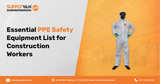
Essential PPE Safety Equipment List for Construction Workers
Construction sites are among the most hazardous work environments in the United States. Every year, …27th Mar 2026 -
Hand Tools List for Industrial Maintenance and Repair
When a machine breaks down on a production floor in Dubai, UAE, the tools your team reaches for firs …23rd Mar 2026 -
What Are MRO Products? Complete Guide for Industrial Buyers
Running a factory, workshop, or facility in Dubai means keeping operations tight, efficient, and saf …13th Mar 2026